The Mysterious Affair at Styles


I have just re-read The Mysterious Affair at Styles in the light of comments made by Martin Edwards at The Bodies From The Library Conference last week. Martin reminded delegates that as we look back at them now the Golden Age authors we think of as relatively elderly figures were, at the time they were writing in that period, just starting out on their writing careers. They were the bold young Turks carving out a niche for themselves and defining a new genre. They were constantly innovating and what we, with the benefit of 80 or 90 years of hindsight, may think of as hackneyed cliches that have dulled with of over-use by subsequent lesser talents were actually brilliant innovations that genuinely took their readership by surprise. 

I have read Agatha’s debut novel in the  Folio Society edition which is stylishly illustrated by Andrew Davidson with 7 plates including the above final scene where Hastings is finally enlightened by Poirot how the Affair was solved. 

Conference Feedback

We have had some lovely feedback and comments from people who attended the conference.

Thank you to everyone who has already completed the online feedback survey or posted comments through social media. You have come up with some great suggestions for topics to cover next year and ideas to help us make 2016 even better than 2015.

If you’ve received the survey and haven’t had time to fill it in yet then we would love to hear from you. There is still time to fill in the survey and tell us how we did, how we can improve and what you would like us to include in next year’s conference.

Also at the conference: The Barbican Library


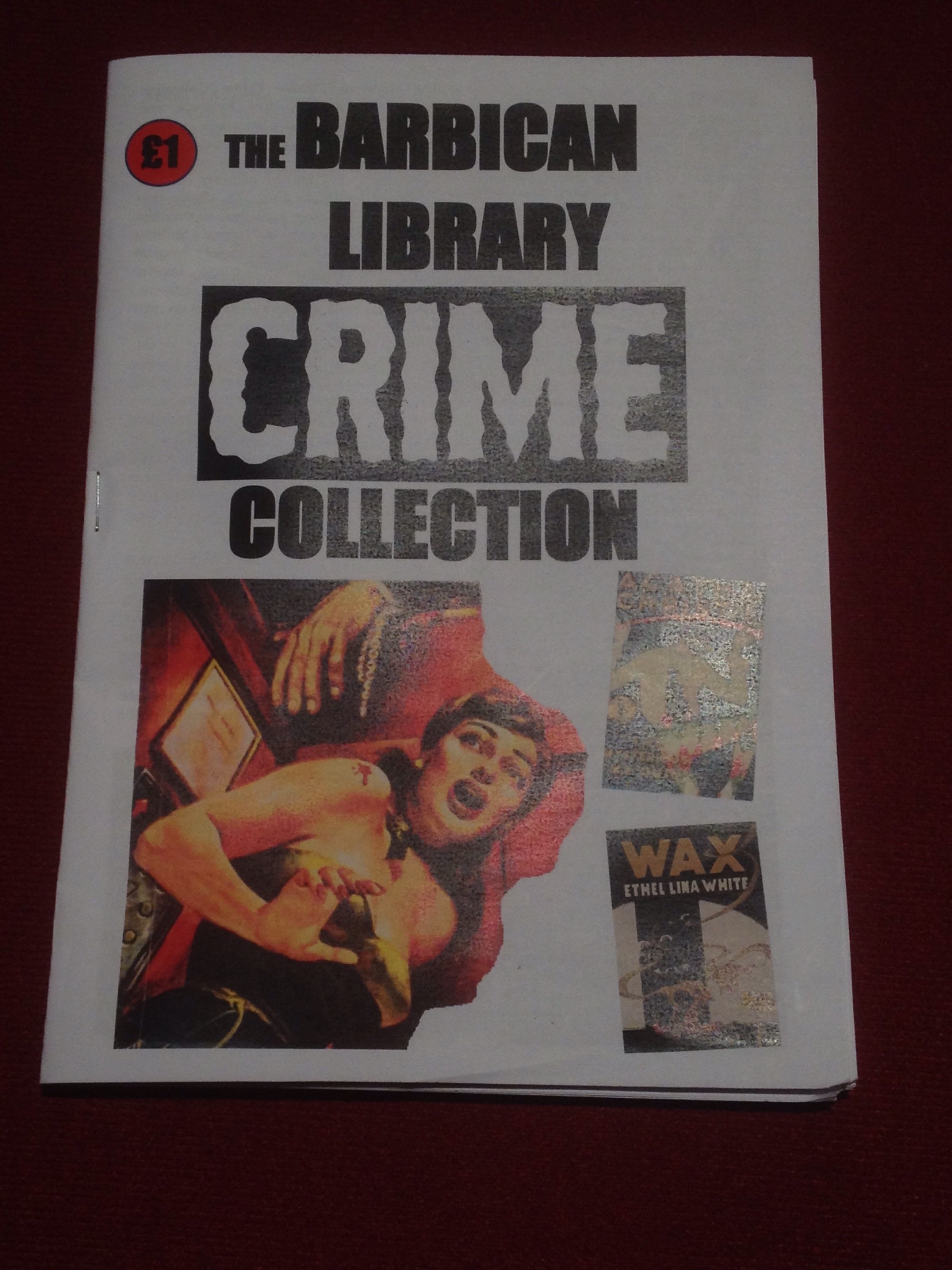
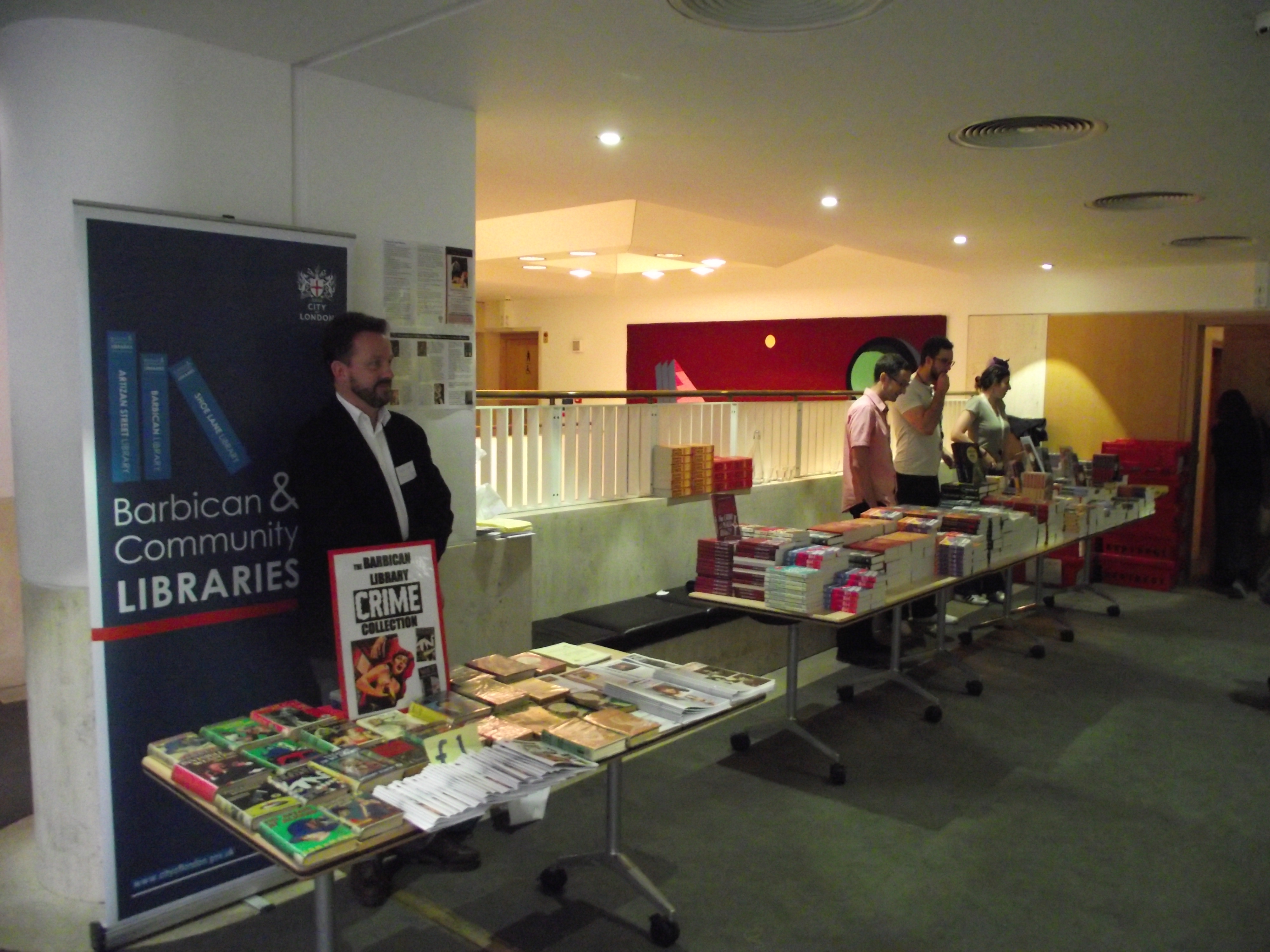
We were delighted to welcome as part of the conference our friends at the Barbican Library with a stand for delegates to browse through samples from their amazing Golden Age Crime Collection. 

The collection was acquired in the mid-1980s, largely through the efforts of the then Director of City of London Libraries, Melvyn Barnes. Melvyn has never held truck with the snobbery about detective fiction in certain circles and is the author of Murder in Print: A Guide to Two Centuries of Crime Fiction.

I was delighted to find when I checked their catalogue that one of the speakers’ recommended list books, of which I hadn’t been able to get a copy, was there. 

I was even more delighted to discover that if I turned up with proof of address at the Barbican Library, I could become a member and immediately take out the rare book in question on loan for 3 weeks. 

How good is that? Don’t you just love our fantastic library services?

Some reminders of the day

DSCF4810
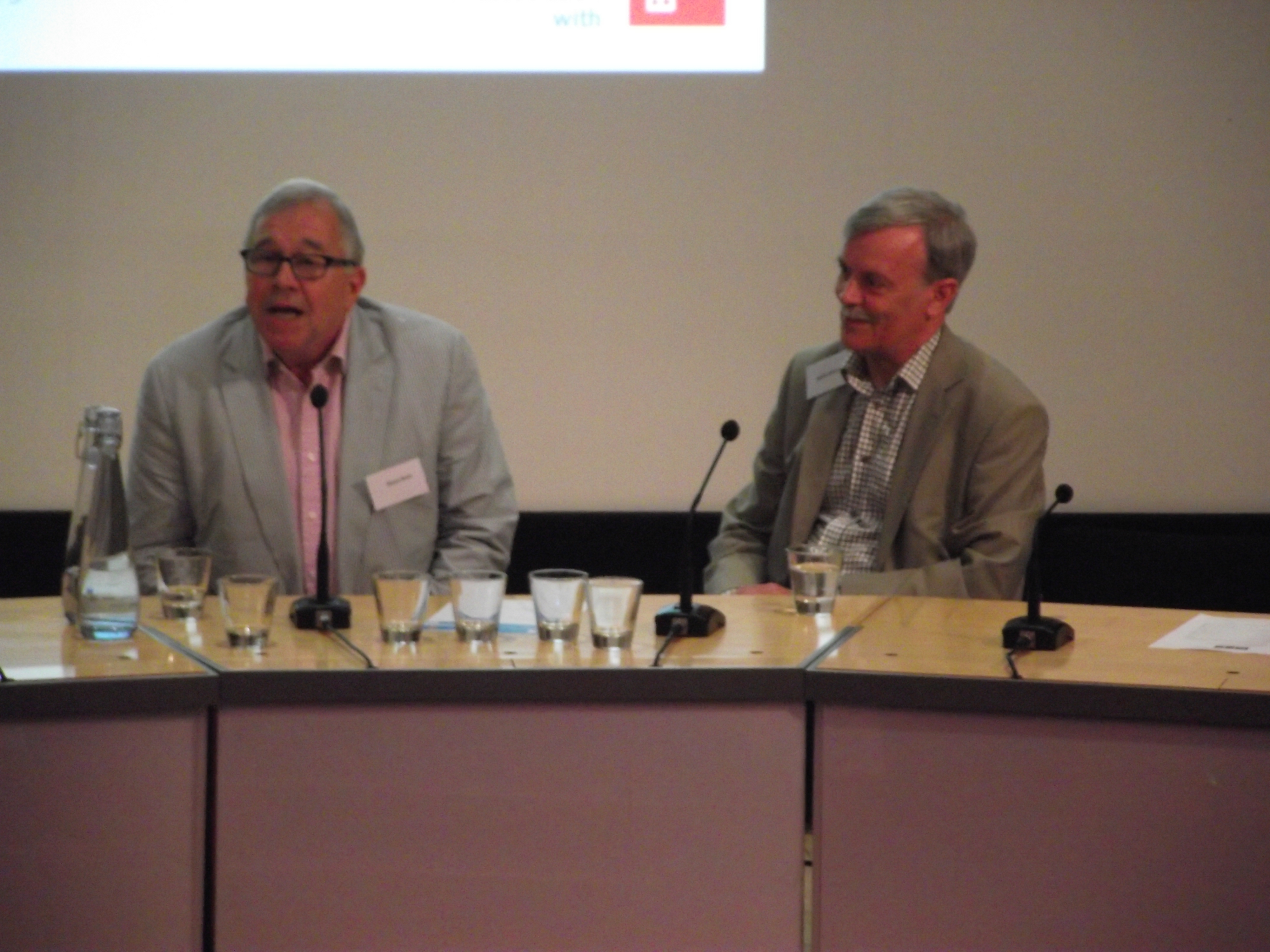
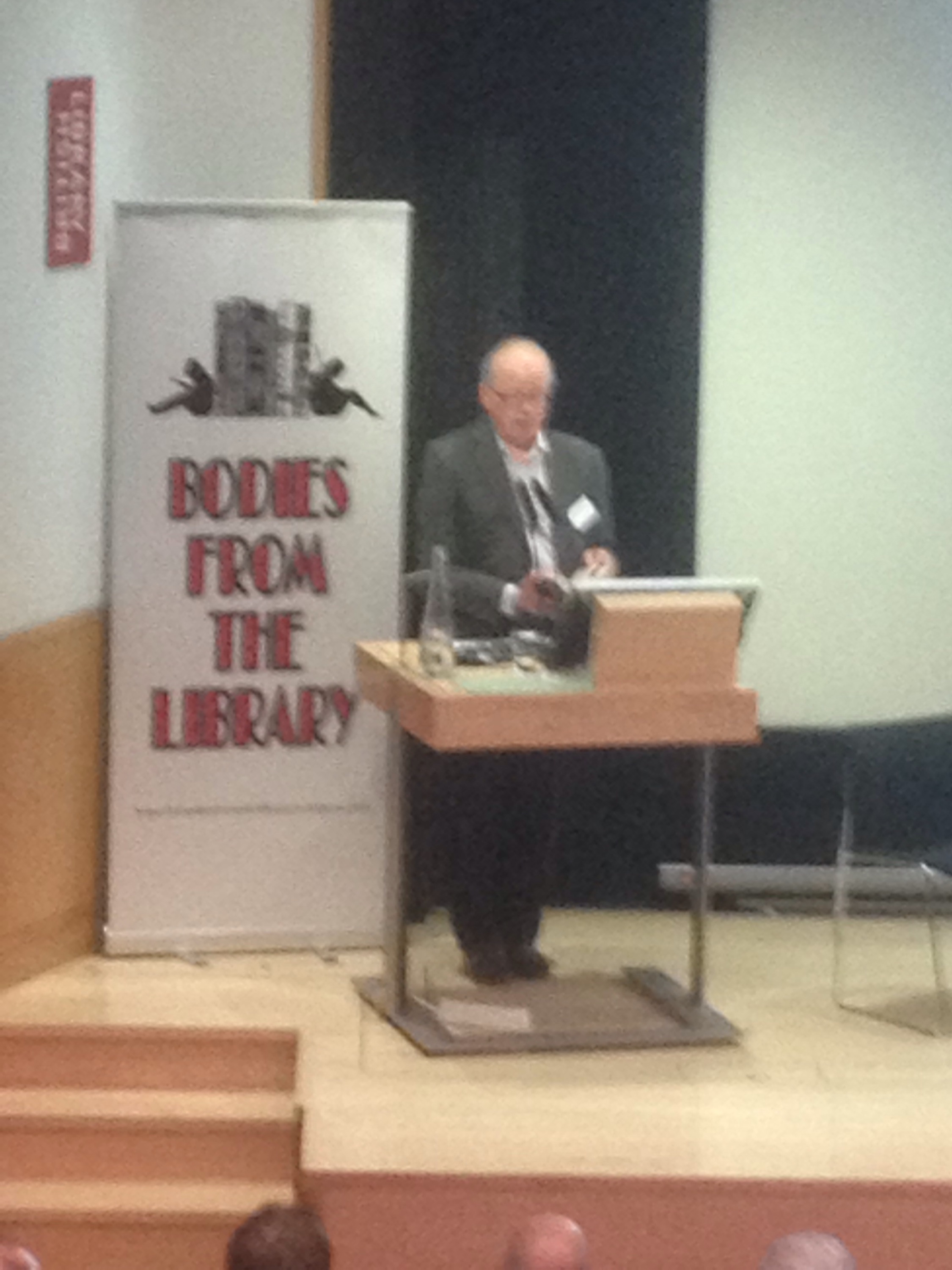
Jake Kerridge and Martin Edwards discuss What and When Was The Golden Age?


B A Pike discusses Dorothy L Sayers and Margery Allingham

DSCF4812
Simon Brett and Martin Edwards discuss The Detection Club and its Collaborative Novels

DSCF4814
Meanwhile in the foyer…The Barbican Library stand with examples from their Crime Classics collection and the British Library Pop Up Shop.

Richard Reynolds discusses The Oxbridge Murders
DSCF4820
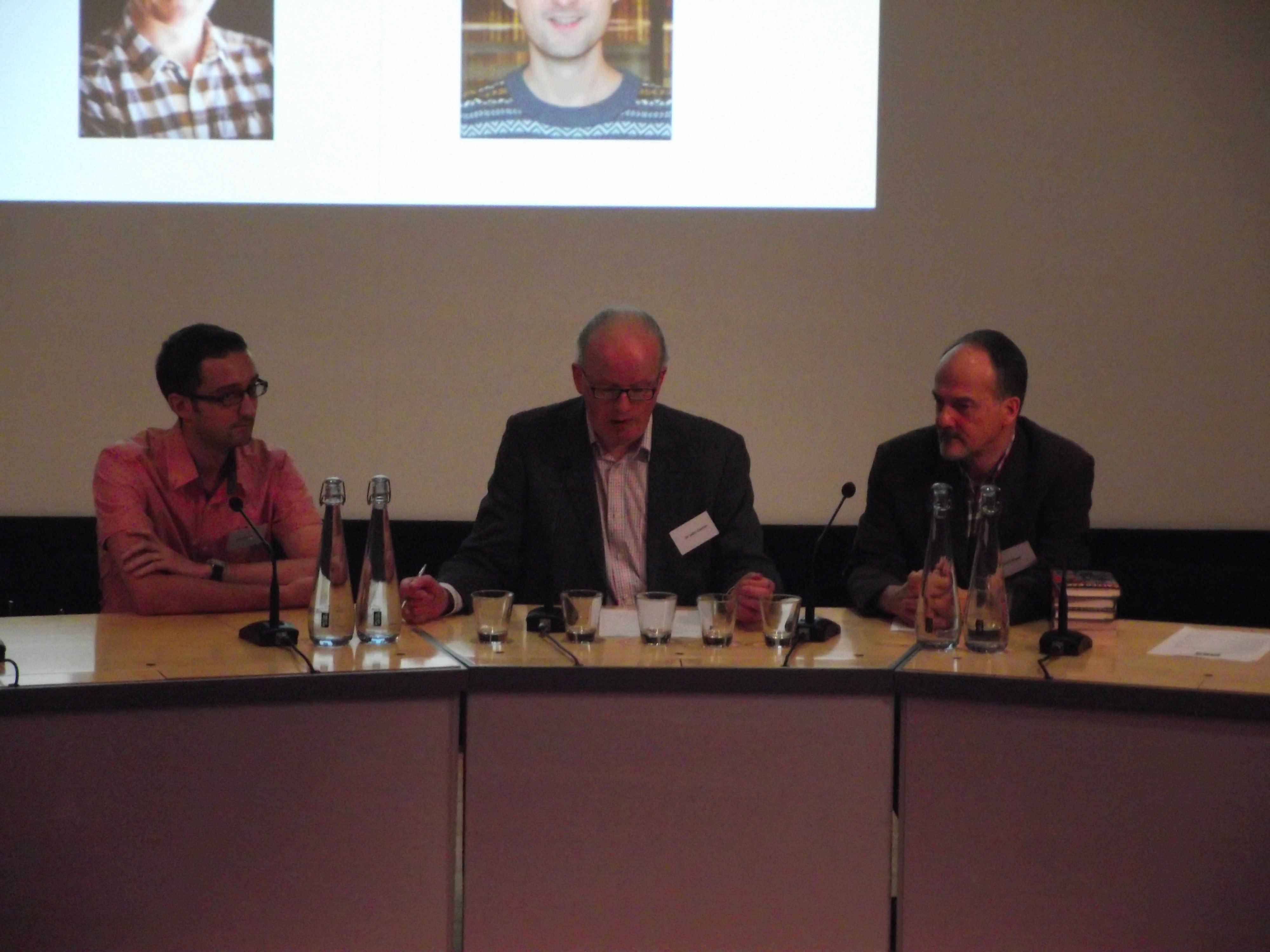
Rob Davies (the British Library), Dr John Curran, and David Brawn (Harper Collins) discuss Publishing the Golden Age


Tony Medawar explains Howdunnit? Locked Rooms and Impossible Crimes


Dolores Gordon-Smith discusses Tracking Down The Murderer: Freeman Wills Crofts


Dr John Curran discusses Agatha Christie’s Influences

DSCF4829
L C Tyler discusses Taking The Golden Age into the 21st Century

DSCF4832
Ripe For A Reprint
panel explaining their selections.

DSCF4813
Bodies From The Library team: Liz Cooper and Susan Cooper

Big thank you to our partners: the British Library and Harper Collins

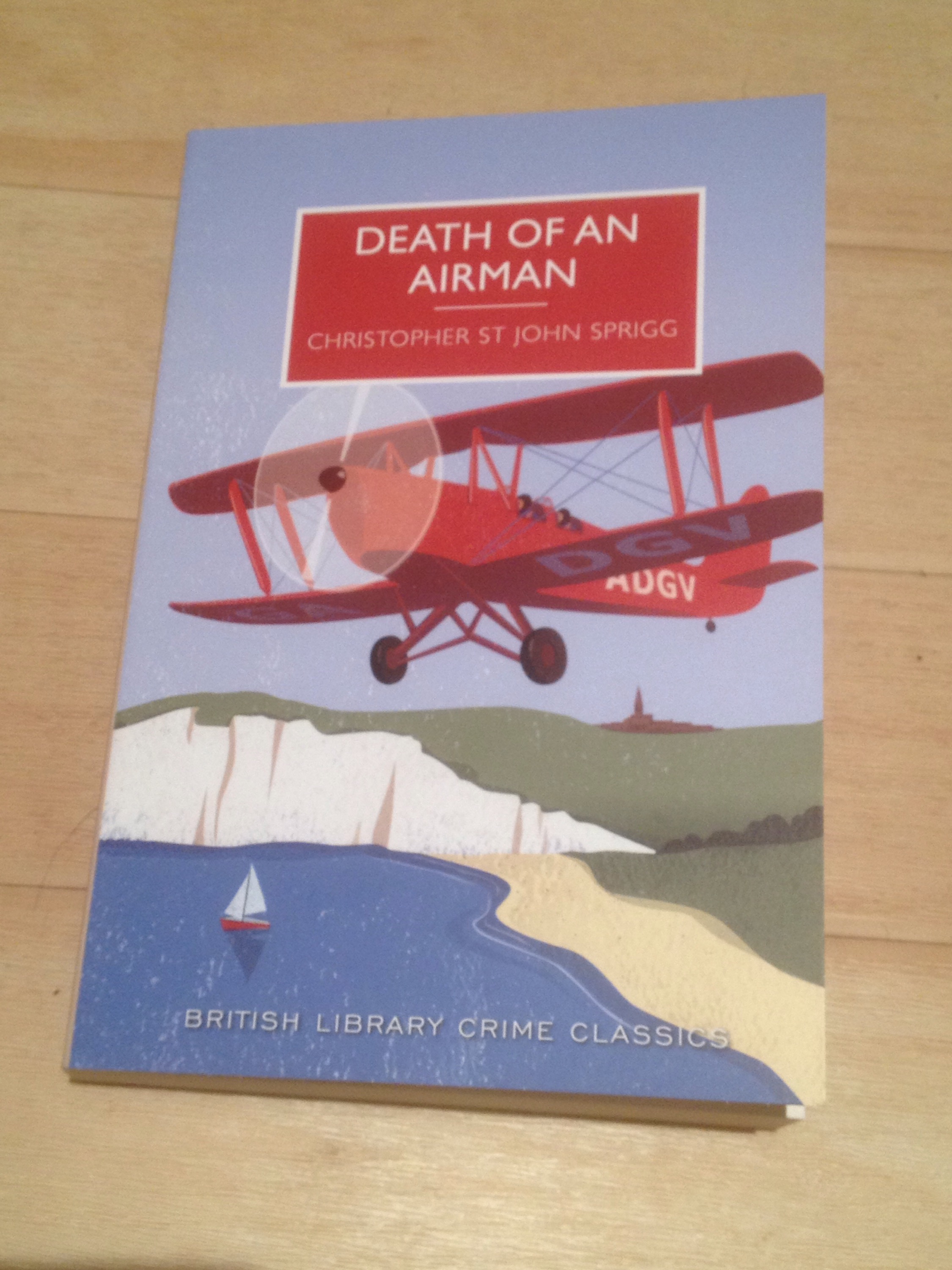
Every delegate at the conference received a goody bag which contained the British Library Crime Classics edition of Death of an Airman by Christopher St John Sprigg ( a name that sounds like it was a pseudonym of the type favoured by many Golden Age authors but it isn’t).

The British Library also gave delegates exclusive opportunity to buy the new British Library Crime Classics book Quick Curtain by Alan Nelville at their pop up bookstore at the conference before it goes on general sale on 1st July.


Harper Collins very generously included in the goody bags one of three new Collins Crime Club editions of classic Edmund Crispin mysteries featuring his Oxford don detective Gervase Fen.

Harper Collins also provided in each goody bag one of three historic Golden Age novels in new hardback Detective Story Club/Collins Crime Club editions with introductions by our own Dr John Curran, Martin Edwards and David Brawn.

We hope delegates enjoy reading whichever of the books they got in their own goody bag.

Huge thanks to delegates at the conference


We were delighted to see you all. 

If we didn’t get opportunity to speak to all of you we just wanted you to know that we were thrilled so many people came and we hope you had a great day. 

We will be sending you feedback forms so you can tell us what you liked, what we could do better, and, most importantly, what you would like to see at future Bodies From The Library conferences. 

See you all again!

Trollope pops up for The Bodies From The Library Conference


You might be forgiven for thinking that there can be little in common between one of the great Victorian authors and golden age detective fiction other than his prolific output which bears comparison with Agatha Christie (47 novels from Trollope against 66 for Christie with 6 more as Mary Westmacott).

Indeed Trollope thought nothing of reassuring his readers almost from the outset of a novel that the hero and heroine will get together in the end whatever trials and tribulations they might go through during the course of the novel, whereas the detective fiction genre by its very nature seeks to conceal and misdirect the readers about the ending. However, closer reading reveals some interesting points in common.

There is a prevailing sense that there is a rightness and orderliness to which life should conform. Trollope was by nature conservative and liked the social order to be maintained. He may show internal struggles between high and low church camps in the Church of England but does not like to see this struggle spill over into the public domain disturbing the population of Barchester at large. The same desire for order to be restored after it has been disturbed by the events related in the crime novel is a core part of the appeal of golden age detective stories – the killer is caught and justice is done (though not always through the formal judicial system).

There is an understanding of money as a key motivator in human events. Whether it is the agonising of Mark Robarts over the debts he has brought upon himself in Framley Parsonage or in the colossal swindling of Melmotte in The Way We Live Now, Trollope shows how money, the greed for more of it, and the painful exigencies to which the lack of it drives people is behind so many of our actions. Often there is dependence of one generation on the prospective inheritance from the previous generation that drives people to act as they do.

So what type of detective fiction might Trollope write. Some might suggest he would be into “cozies”. Few would consider him “hard-boiled” or “noir”. And though his plots might not be as tightly wrought as “golden age” authors, his psychological insights, especially into women, would place him alongside the finest writers of the genre such as Ruth Rendell or P D James. 

“Discuss!” As they used to say on exam papers.